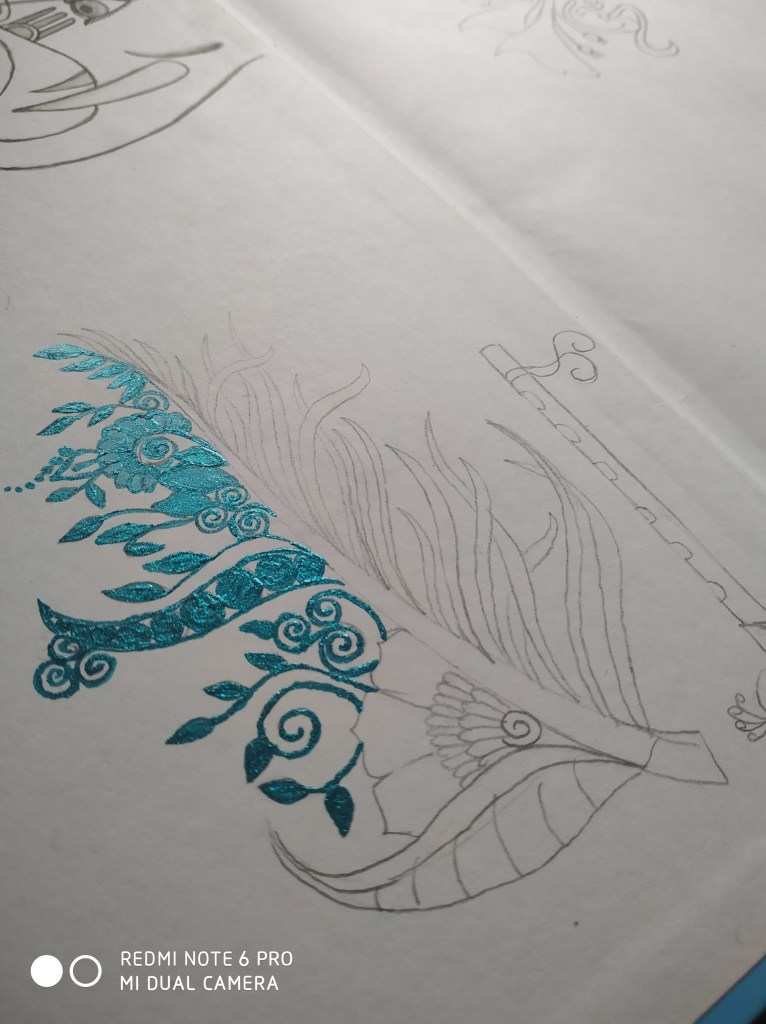
Fevicryl acrylic paint metallic
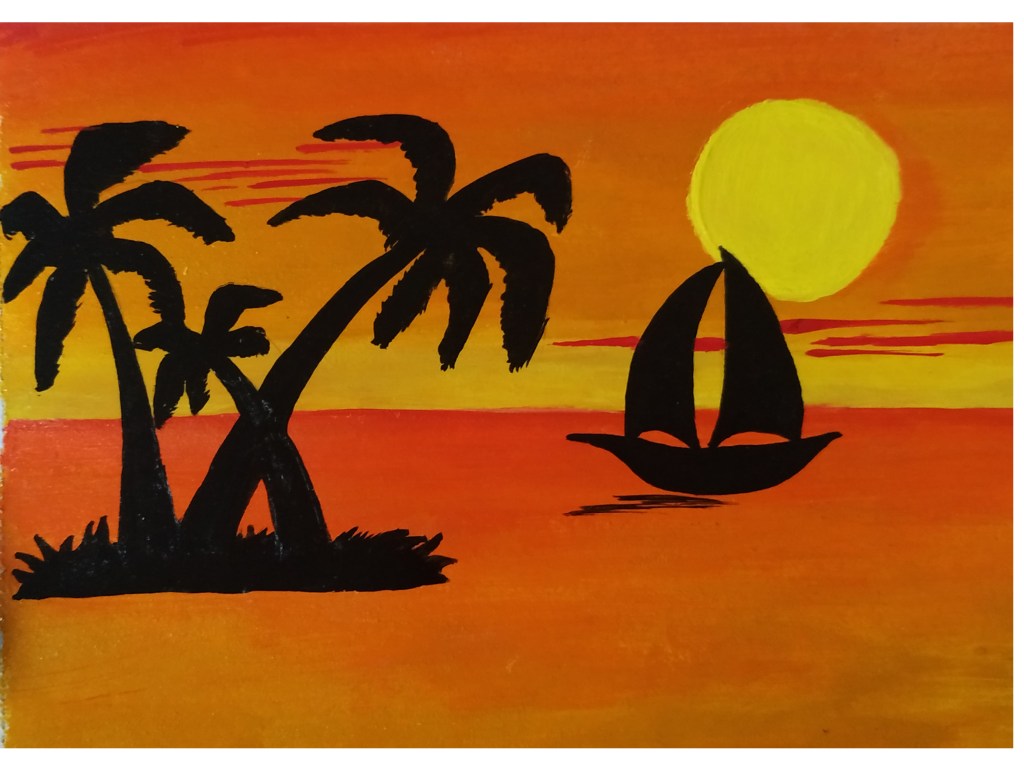
Acrylic paint and 05 sized brush
Drybrush
When you apply straight-outta-the-tube paint to a canvas using a dry brush, you’ll create a strong stroke of color on the page. Your lines will be uneven, as there’s no water to soften the edges, but dry brushing can give you a purposeful painterly effect.
Washing
If you water it down enough, it acts a bit like watercolor! You can use the diluted paint to apply translucent washes on your surface. But unlike watercolor, the acrylic paint will set permanently. Try mixing the wash and dry brush methods — you’ll end up with plenty of textures in a single piece.
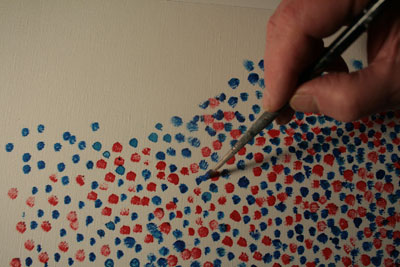
Stippling
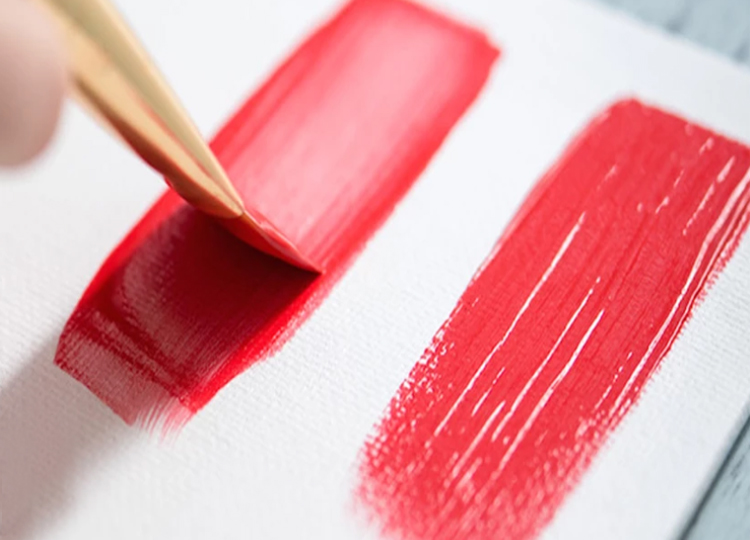
This common drawing method can be used with paint, too!
Just add a mass of tiny-tiny dots to create a shape or texture with subtle variations in color.
Splattering
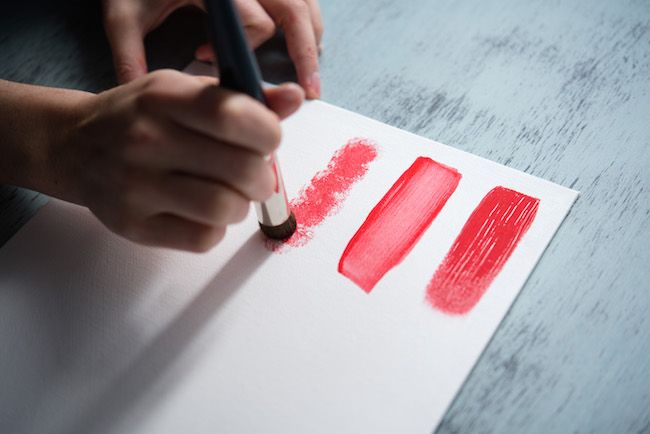
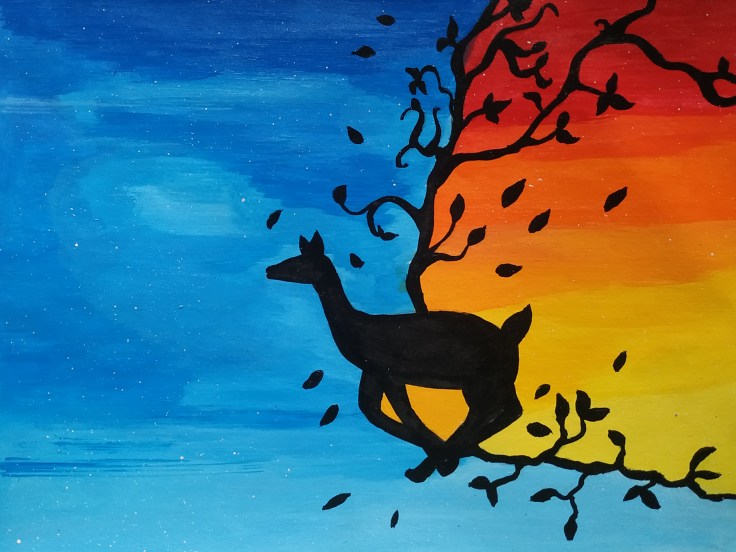
It doesn’t get more fun than this! Using a fairly wet brush, you can flick or splatter paint into the surface you want. It gives an uneven splatter effect. It’s fantastic for creating an abstract landscape or a starry night or for just adding texture to a piece.
TIP: If you want to give many stars in your landscape painting, try this technique.
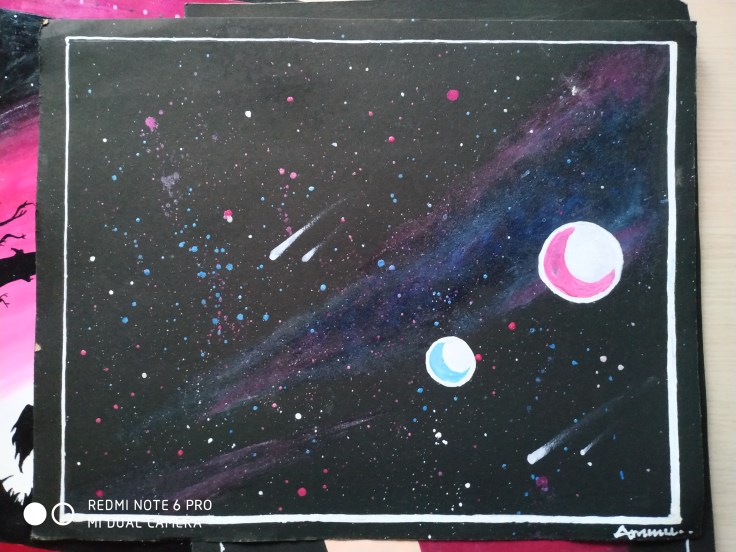
Little bit of splattering and little bit of dabbing…
Dabbing
Think of dabbing like very artistic sponge painting: Using the corner of a sponge or even a piece of paper towel, dab on accents of color. This creates a texture that can’t be replicated with any other applicator.
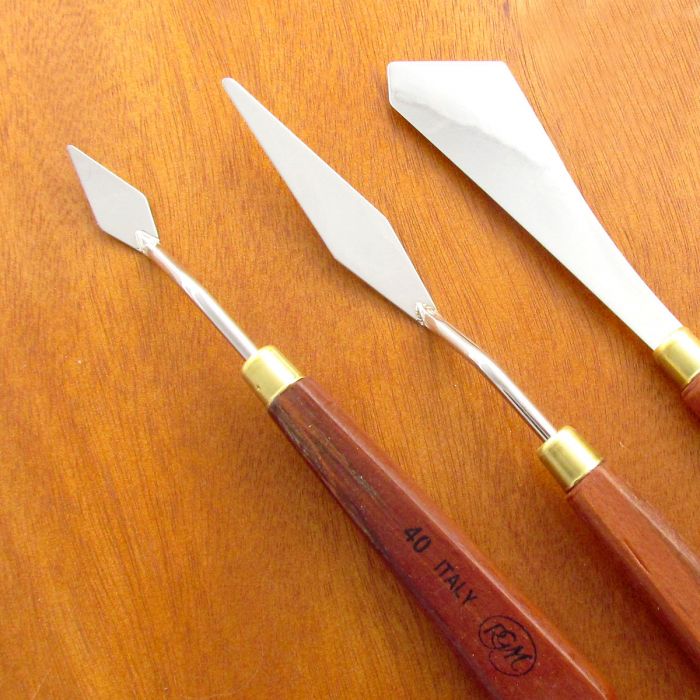
Palette Knife
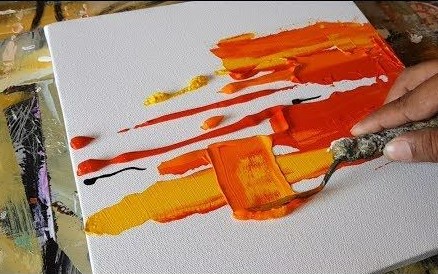
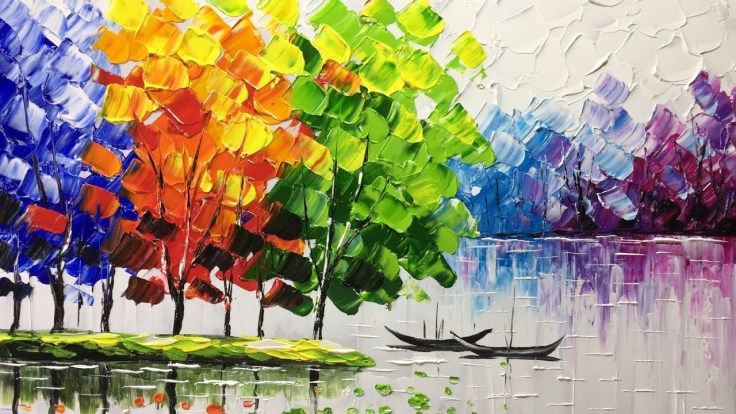
Applying paint with a palette knife is an instant way to make your work look professional and painterly. Its, in a way, no different from spreading frosting on a cake, so even beginners can do it.
Simply use the palette knife to scrape up a bit of paint and apply it to your work surface — you’ll get the hang of it pretty quickly.
If you are interested to try abstract art then palette knife does the trick.
Palettes
Acrylic painting
Few important pointers to keep in mind:
Keep Acrylics Wet
Beginner start slowly right? The problem is that while they are working slowly and carefully on their painting, the acrylic paint on their palette is drying. When they go to reload their brush with paint, they discover that it has become unworkable. Then they have to mix the color again, which can be challenging and tiring.
To avoid this, paint the largest shapes of your composition first, and work quickly, with the largest brush you can for as long as possible. Save the details and smaller brushes for the end. Work from the general to the specific.
Adjusting Paint Colors
Acrylic paint colors tend to dry darker than they are when wet, particularly with inexpensive paints. As inexpensive paints have a higher ratio of binder to pigment. When this occurs, apply several successively lighter layers of paint to achieve the desired color. This layering often enhances the painting, adding complexity and richness to the color.
Brush Care
Remember that multiple thinner layers build better color than thick globs. Don’t overload your brushes as you paint and wipe away heavy amounts from the ferrule. Paint dried in the ferrule area can ruin your brushes.
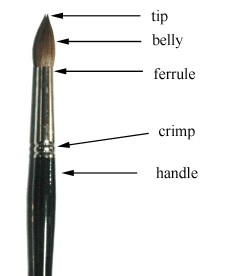
Keep your brushes in the water while you’re painting so that the paint doesn’t dry in them. When you are done painting, clean the brushes with soap and water right away, making sure to get back to the base of the bristles; rinse and dry them well, and lay them flat. Store them lying down or standing up on end with the bristles in the air. Do not dry them standing up. Place them that way only after they’re completely dry. And don’t store them bristles down, ever. That is if you want to use that brush again.
 Celestle
Leave a comment