First of all lets be clear on what is Fine Art.
Fine art is predicated on the belief that the artist by him/her self is the sole agent of creative invention, responsible for both the idea and execution of the work. Fine art is something created for aesthetic or intellectual value rather than utilitarian or practical purpose. It involves creative expression, and it doesn’t have to be beautiful. It might convey an idea or an emotion or explore social commentary.
Now that is clear, lets jump start to painting techniques in fine art.
Pen and Watercolor
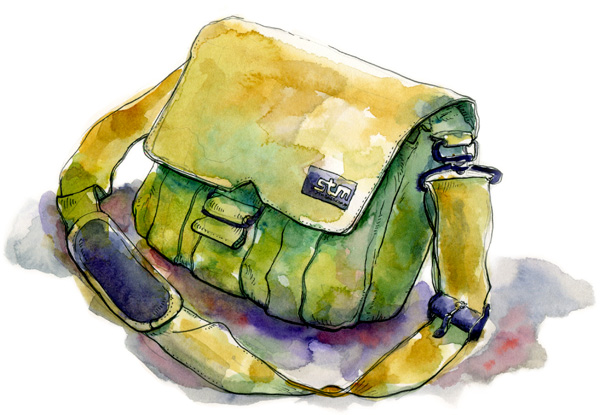
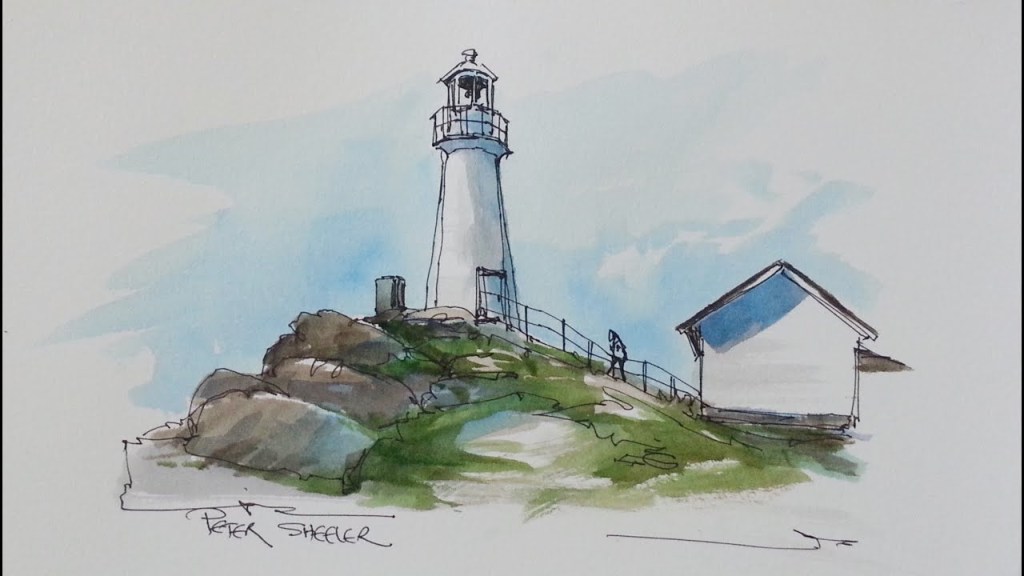
The most important thing to remember when working with pen and watercolor is that the ink in the pen must be waterproof or it’ll smudge when you brush on the watercolor. Its seems obvious but its too important a point to skip.
You can either draw a picture then add watercolor or paint your picture with watercolor then use the pen to give details. Either way its important to make sure its dry before you applying either pen or paint.
Water-Soluble Pen with a Wet Brush
For a monochrome painting, using a water-soluble pen and then turning it into fluid ink by going over it with a wet brush, can create a lovely effect.
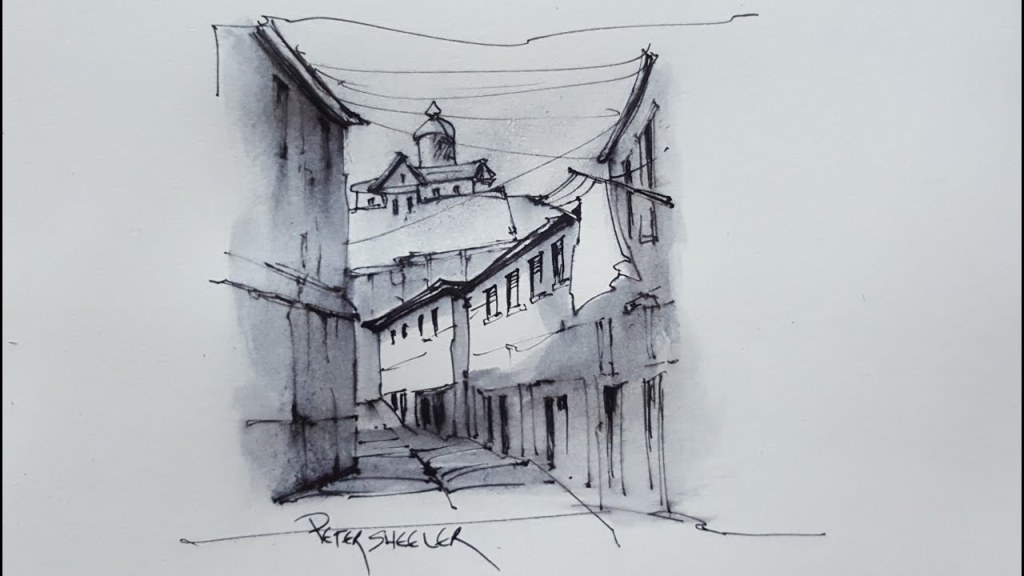
The result is a mixture of line and tone. The tone produced can vary from very light to quite dark. The extent to which the line dissolves depends on how much water you apply with the brush, how aggressively you brush over a line, and how absorbent the paper is.
Water-Soluble Ink Pen (Color Variations)
Working with a wet brush onto a drawing done with a pen with water-soluble ink turns the line into a wash of ink. Depending on how much water you use, more or less of the line dissolves. It’s not always what you might expect, especially with cheaper pens. So expect too much unless you have a good pen.
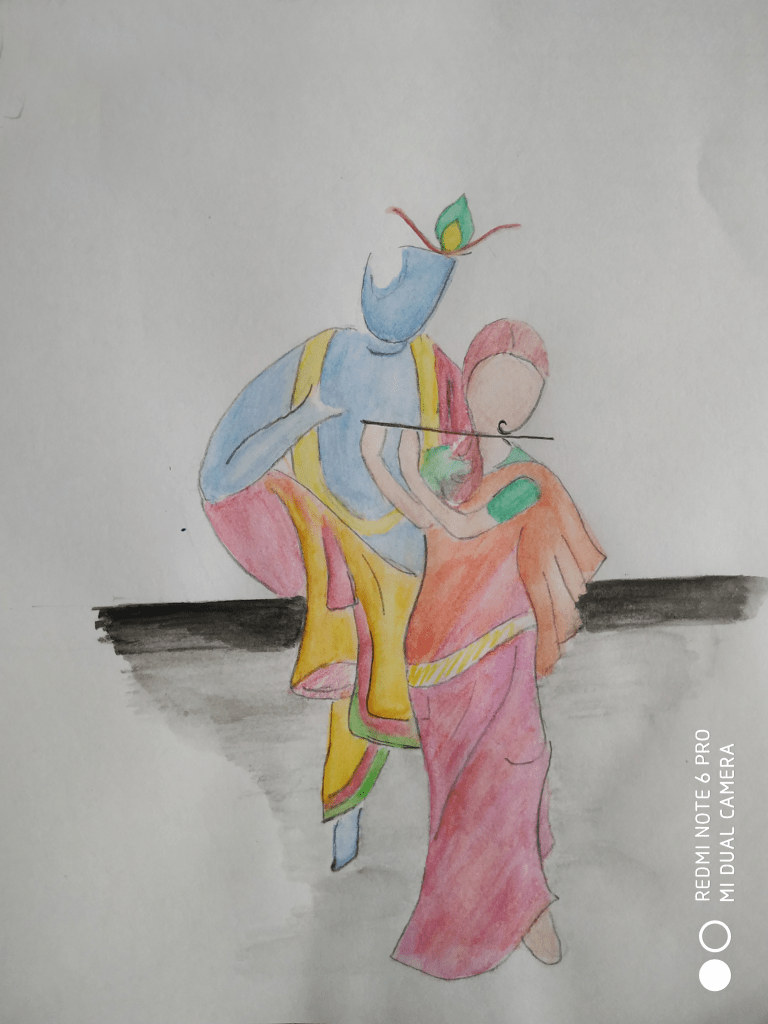
Water color pencil art
Over-Drawing a Watercolor
Working with colored pencil over a watercolor painting is a useful technique for adding detail.
A sharp pencil is the ideal tool for adding fine detail, for creating a crisp edge. Many people find it easier to control the direction and width of line with a pencil than a brush. Keep the pencil tip very sharp and don’t be lazy about stopping to sharpen it. And if you truly hate sharpening, start with half-a-dozen identical pencils and swap them.
Salt and Watercolor
When you scatter salt onto wet watercolor paint, the salt absorbs the water in the paint, pulling the paint across the paper into abstract patterns. When the paint is dry, gently rub off the salt.
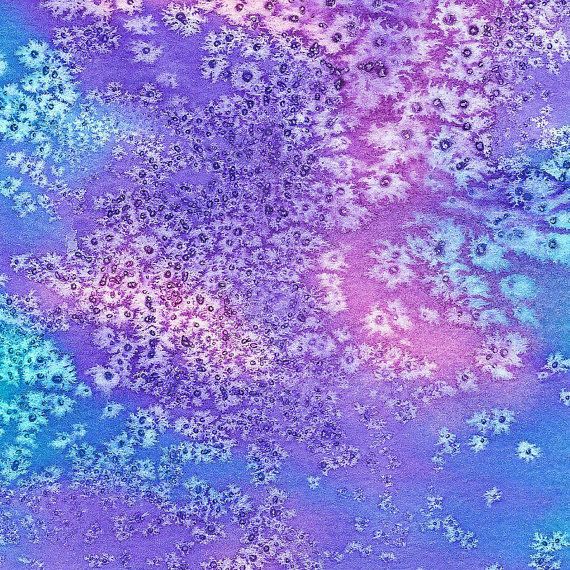
P.S. DO NOT USE FINE SALT.
Glazing Colors
If a painting has “complicated colors”, where the colors have a depth and inner-glow to them, rather than appearing solid and flat, then they’re almost certainly created by glazing. This is when multiple layers of color are painted on top of one another rather than being only a single layer of paint.
The key to successful glazing is patience. To not paint a new layer of glaze until the current layer is totally dry.
Drips
805e02

Incorporating drips into a painting, whether they happen deliberately or accidentally, can give a result that’s intriguing and pulls in a viewer.
One simple way is by loading lots of fluid paint on a brush and then letting lots of it come off the brush in one spot (by pushing the brush against the canvas and not moving it along). With enough paint, gravity will pull it down in a dribble or drip.
 Celestle
Leave a comment