This is connected to my previous post High Art and Low Art. Hope you will find this article informative.


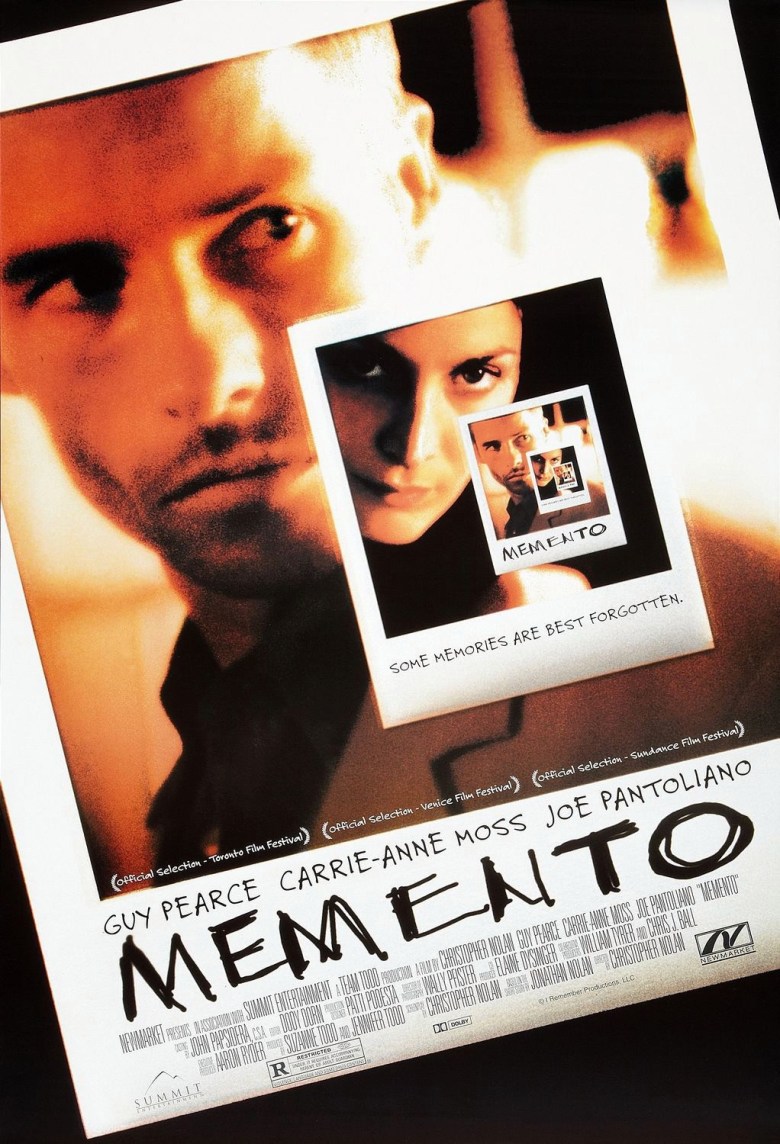
It is no secret that there is a concept that some art forms are “higher” than others. Whether in everyday life or in the study of philosophy, that there are notions of “high” versus “low” art, or “fine art” versus “popular art” or popular culture. Mary Cassatt, Dickens, and Shakespeare would certainly be placed in the high or fine art category more often than Alfred Hitchcock, Woody Allen, Christopher Nolan or Ayn Rand would.


Well here is what I know….
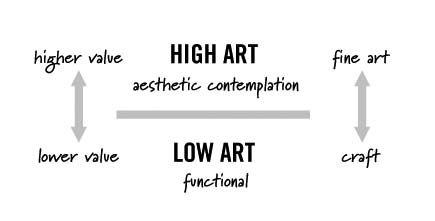
On a general level, high art is a term used to describe the most aesthetically pleasing and challenging (in terms of production) arts and appreciated by those with the most cultivated taste, while low art is used to describe what was not challenging, aesthetically pleasing for the masses, accessible and easily comprehended. And this concept of high and low can be traced back to 18th century, ideas about fine art and craft. Writers in the 1700s drew a line between work that is contemplated purely for aesthetics (fine art) and work that has some sort of utility or function (craft). The fine art grouping of painting, sculpture, music, architecture and poetry was established at this time.
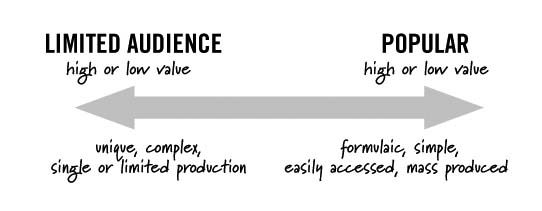
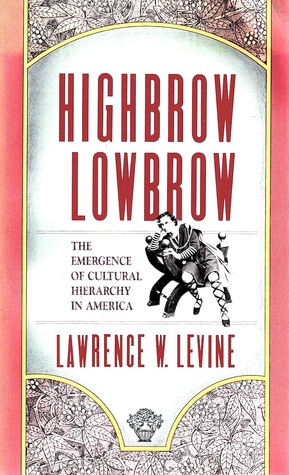
For most of the nineteenth century, a wide variety of expressive forms–Shakespearean drama, opera, orchestral music, painting and sculpture, as well as the writings of such authors as Dickens and Longfellow–enjoyed both high cultural status and mass popularity. In the nineteenth century public culture that the Americans shared became less hierarchically organized, less fragmented into relatively rigid adjectival groupings comparing to what their descendants were to experience. By the twentieth century this openness became increasingly rare. Cultural space became more sharply defined and less flexible than it had been. The theater, once a microcosm of America–housing both the entire spectrum of the population and the complete range of entertainment from tragedy to farce, juggling to ballet, opera to minstrelsy–now fragmented into discrete spaces catering to distinct audiences and separate genres of expressive culture. The same transition occurred in concert halls, opera houses, and museums. A growing chasm between “serious” and “popular,” between “high” and “low” culture came to dominate America’s expressive arts. This is the view shared by Lawrence W Levine in his book Highbrow/lowbrow: the emergence of cultural hierarchy in America.
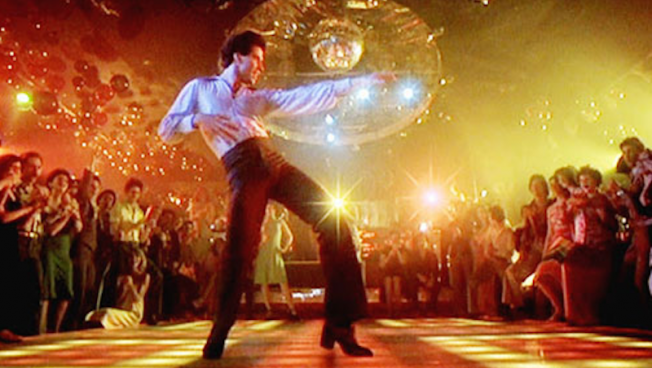
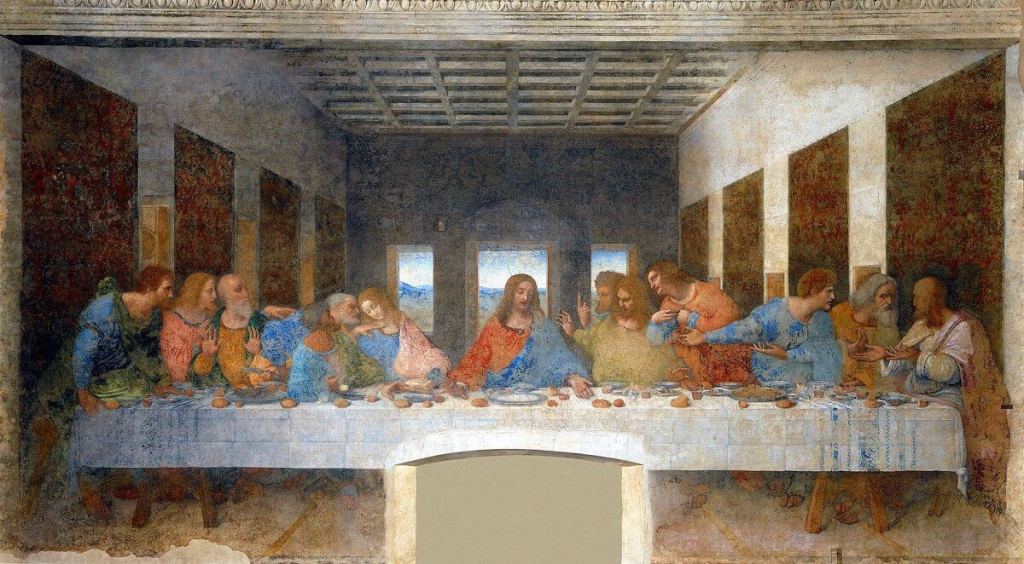
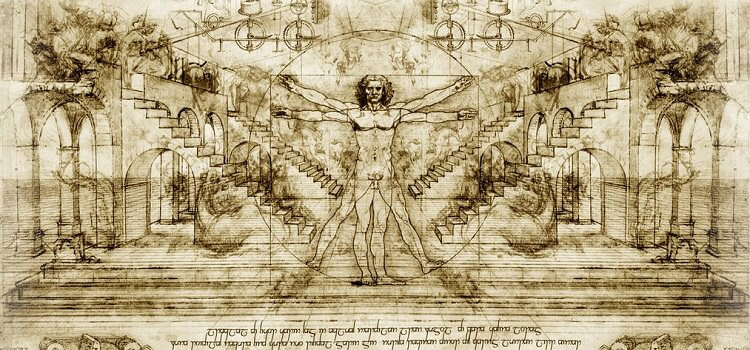
However there has always been a tendency to rank and divide. Ranking the art was a common activity of thinkers from renaissance through the eighteenth century. Leonardo, for instance, argued that painting was a supreme art, superior to poetry, music and sculpture (Kemp 1989). Some regard some forms of pop music as superior and ultra-sophisticated and other forms as beneath contempt (like disco). So relative to classical music and its audience, all pop genres may seem low art, whereas to fans of electronica, mainstream rock may seem hopelessly naive and common.
Cohen, in his work High Art and Low Art, High and Low Audience (1993) in Journal of Aesthetics and Art Criticism, supports the idea that there are high and low audiences. But he does not accept that high art is more important than low art nor that an individual work cannot appeal to both high and low audiences. For the later idea he gives the example of Hitchcock’s movies. He suggests that many of Hitchcock’s movies have a bilateral capacity to appeal both audiences.
Psycho 1960
Another aspect to ponder is that since there is no substantive aesthetic difference between high and low artworks, it’s not wrong to suggest that the distinction is artificial and constructed to serve as a political function. Namely to make art that avoid political, moral and economic issues, in short, high art, the only acceptable art. High art is that does not threaten the interests of the dominant classes.



Okay, so we can conclude that there is high and low art and there are differences between them. But the next question that arise is how it came to be or where does this hierarchy come from? It could be that different audience meant to receive different styles or forms or it could be due to differential status of the targeted audience. Alternatively it could lie within ourselves. Rock music also has been attacked and criticised because of the perception that it appeals to inferior aspects of listener, like sensuality and sexual desire. It is plausible to conclude that the value difference implied by the high/low art distinction has been influenced by our tendency to grade the types of cognition and character involved in appreciating various genres and forms.

High art verses low art by John A Fisher
Entertainment: A Question for Aesthetics by Richard Shusterman
Highbrow/lowbrow: the emergence of cultural hierarchy in America by Lawrence W Levine
High and low art by Matt Plescher


Leave a comment